Weekly updates from the command line of my brain: 🧠 Thoughts, 🛠 Tools, and 📕 Takes on software engineering, data, AI, and tech.
🧠 Are chat interfaces replacing traditional UIs?
What if we used less UI and more code going forward? What if, instead of clicking through interfaces, you had a simple chat that handled all the interactions for you?
Lee Robinson (DevRel at Cursor, previously at Vercel) shared his experience of removing the entire CMS from the Cursor website. A CMS is another layer of interface and complexity. In the age of AI-assisted development, it’s much easier to work with raw code so AI can easily modify things without navigating through additional layers.
So, chat everywhere?
Not quite. Lee’s example shows we could certainly remove some layers, but he also mentioned still wanting a basic GUI to manage assets, for instance. For website content management, you could definitely survive with minimalist features.
However, many workflows will still need specific, opinionated UIs. A chatbot won’t always cut it.
A good example is video editing. Sure, you could use a chatbot to remove all the “silence” from a video. But what the editor actually wants is the ability to easily adjust the silence threshold and—most importantly—preview changes so they can always roll back (or cut more). This requires tight integration with a classic video timeline and other controls.
A chatbot won’t provide an efficient workflow here.
🛠 OrbStack: A better container solution for macOS?
It’s weird this project didn’t fall onto my radar earlier.
OrbStack, per their definition, is “the fast, light, and simple way to run containers and Linux machines. OrbStack offers excellent performance and seamless integration with macOS.”
There are lots of alternatives to Docker Desktop. In the past, I’ve tried (in order of age/maturity) Rancher Desktop, Podman, and recently Apple’s own container runtime, simply called “Container” (yes, they missed the “iContainer” branding opportunity).
All of them were nice, but sometimes felt clunky and, most importantly, didn’t always have good support for devcontainers, which is how I use containers locally every day for all development purposes.
Docker Desktop may feel heavier and slower, but its support is generally solid.
I decided to give OrbStack a spin with a devcontainer (one container) running a Node.js app.

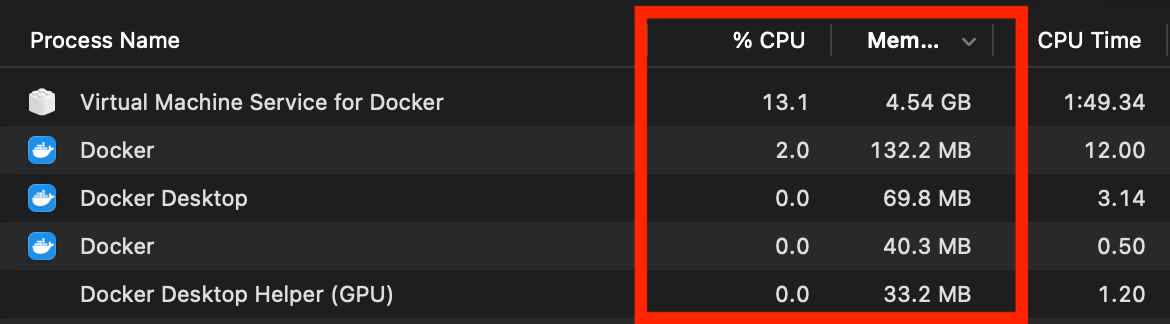
So yes, OrbStack has a significantly smaller footprint and includes nice features around mounted volumes and SSH to containers that I haven’t explored much yet.
That said, it’s closed source (like Docker Desktop) and backed by a much younger company.
I’ll continue using it as my default for the coming months and will report back.
📚 What I read/watched
Reducing BigQuery Costs: How We Fixed A $1 Million Query - Shopify’s experience with a single query that would have cost nearly $1M. Old blog post, but a good reminder that small optimizations at scale can yield massive savings.
this is the worst case scenario - Low Level shows pragmatically how bad the critical vulnerability affecting both React and Next.js is (CVE-2025-55182). If you have any React or Next.js projects, patch them now!
The End of Coding Tutorials for Tech Creators? - Francesco Ciulla and Maximilian Schwarzmüller, two creators with solid experience making successful coding tutorials, discuss the trend toward “tech entertainment” over deep-dive coding tutorials. IMO we’ll need both in the future and there are too much of “tech entertainment” videos at the moment.
Donating the Model Context Protocol and establishing the Agentic AI Foundation - Anthropic announced they’re donating MCP to the Linux Foundation. This could be a double-edged sword—only time will tell. But it’s probably a win for AI consumers if it leads to broader adoption beyond just Anthropic.
Context Engineering the @mistercrunch Way - Maxime Beauchemin (creator of Airflow) shares his insights on organizing rules for LLMs without bloating your
AGENTS.mdandCLAUDE.mdfiles. Useful patterns similar to what I have right now.
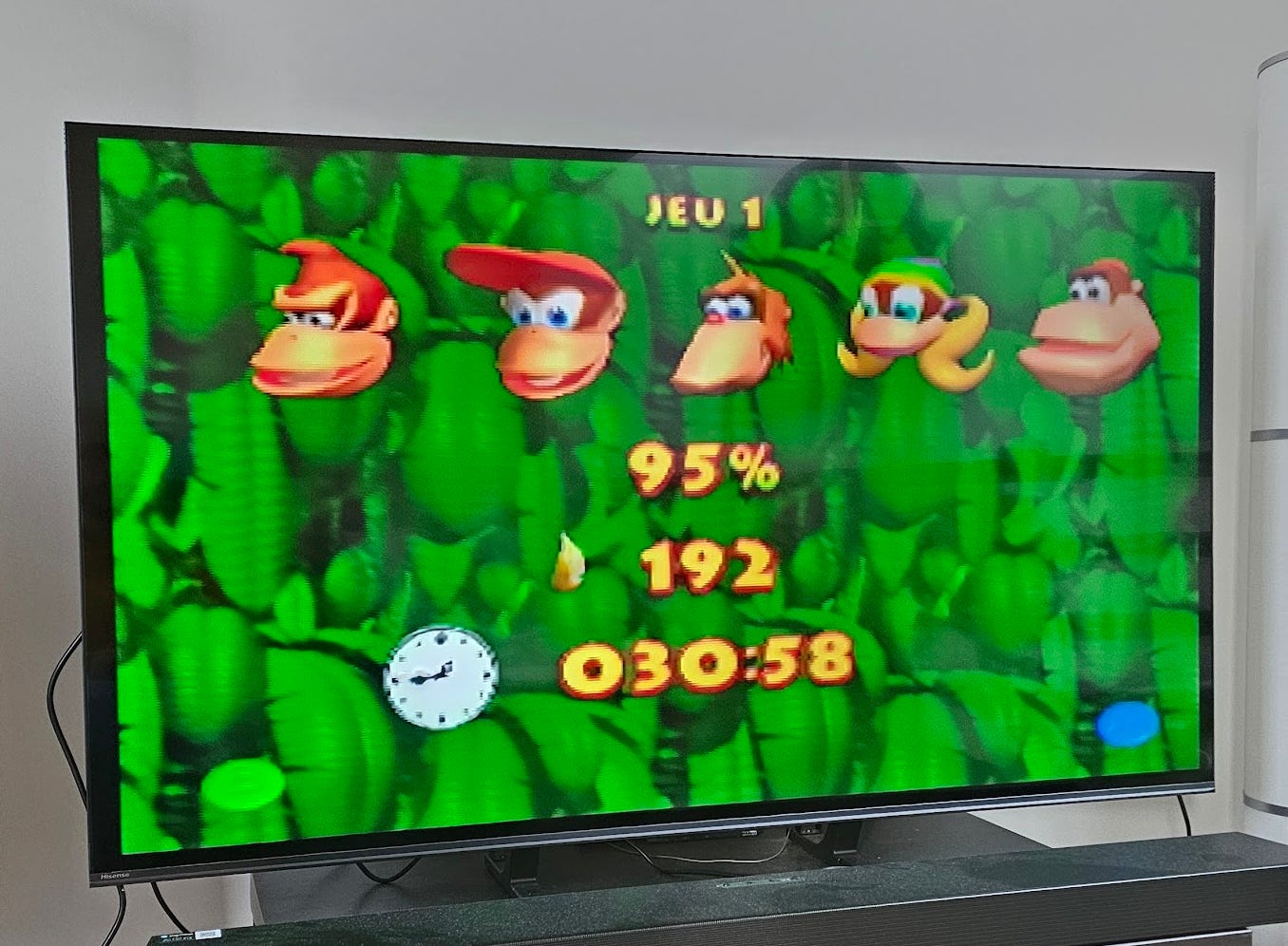
As I moved back to my hometown after 6 years, I opened some very old boxes and found my old consoles. After 20+ years, my save file was still there! The game is at 95% completion, and I have a sudden urge to finish it at 100% but I can’t remember anything from back then lol.
Can you guess which game it is, retro lovers?